Mindfulness training reduces loneliness and increases social contact in a randomized controlled trial

Author: Lindsay, Emily K.; Young, Shinzen; Brown, Kirk Warren; Smyth, Joshua M.; Creswell, J. David Description: Loneliness and social isolation are a growing public health concern, yet there are few evidence-based interventions for mitigating these social risk factors. Accumulating evidence suggests that mindfulness interventions can improve social-relationship processes. However, the active ingredients of mindfulness training underlying these improvements are unclear. Developing mindfulness-specific skills-namely, (i) monitoring present-moment experiences with (ii) an orientation of acceptance-may change the way people perceive and relate toward others. We predicted that developing openness and acceptance toward…

See more and a link to full text
Mindful Parenting in Mental Health Care

Author: Bogels, S.M.; Lehtonen, A.; Restifo, K. Description: Mindfulness is a form of meditation based on the Buddhist tradition, which has been used over the last two decades to successfully treat a multitude of mental health problems. Bringing mindfulness into parenting (“mindful parenting”) is one of the applications of mindfulness. Mindful parenting interventions are increasingly being used to help prevent and treat mental disorders in children, parenting problems, and prevent intergenerational transmission of mental disorders from parents to children. However, to date, few studies have examined the hypothesized mechanisms of…

See more and a link to full text

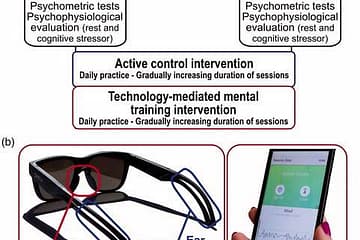
Effects of technology-mediated mindfulness practice on stress: psychophysiological and self-report measures

Author: Balconi, M., Fronda, G., & Crivelli, D. Description: Repeated exposure to stressors, even if mild, may alter the efficiency of optimal stress responses and hinder emotion regulation skills. Mindfulness meditation, by strengthening self-regulation and awareness, may optimize the efficiency of physiological, cognitive, and behavioral reactions to stressful events but typically requires notable commitment to practice, which often leads to disengagement. Recent research suggested that such practices may be made more accessible and that the potential for self-enhancement and stress management of meditation might be improved by supporting mental training…

See more and a link to full text

Reduced reward-driven eating accounts for the impact of a mindfulness-based diet and exercise intervention on weight loss: Data from the SHINE randomized controlled trial

Author: Mason, A.E.; Epel, E.S.; Aschbacher, K.; Lustig, R.H.; Acree, M.; Kristeller, J.; Cohn, M.; Dallman, M.; Moran, P.J.; Bacchetti, P.; Laraia, B.; Hecht, F.M.; Daubenmier, J. Description: Many individuals with obesity report over-eating despite intentions to maintain or lose weight. Two barriers to long-term weight loss are reward-driven eating, which is characterized by a lack of control over eating, a preoccupation with food, and a lack of satiety; and psychological stress. Mindfulness training may address these barriers by promoting awareness of hunger and satiety cues, self-regulatory control, and stress…

See more and a link to full text
Creative Commons License
This work is licensed under a Creative Commons Attribution-NonCommercial 4.0 International License.